
A Walk Down Her Own Street: Inside a $700,000 Dog Attack Settlement
| Case at a Glance | |
|---|---|
| Case type | Dog attack, neighbor’s dog |
| Location | Residential street, metro Atlanta |
| Injury | Bite wounds that became infected, requiring extended medical care |
| Central issue | Owner responsibility for a loose dog, and the value of infection-driven harm |
| Resolution | $700,000, an amount above the dog owner’s available policy limits |
| Handled by | Zagoria Neely Injury Attorneys |
Our client was doing what she had done a thousand times. Walking down her own street, in her own neighborhood, past houses she knew.
Her neighbor’s dog attacked her.
What makes this case worth writing about is not the attack itself. It is what happened over the following weeks, when wounds that had been cleaned and closed turned into something considerably more serious, and a claim that a carrier had priced as routine stopped being routine.
The case resolved for $700,000, an amount that exceeded the coverage the dog owner had available.
What Turns a Bite Into a Six-Figure Claim?
The infection does, more often than anything else. Bite wounds that close cleanly at the surface can drive bacteria deep into tissue, and the harm from that delayed process frequently exceeds the harm from the bite.
That is what happened here. The wounds became infected, and the infection required extensive medical care rather than a course of antibiotics and a follow-up visit.
The pattern is consistent across the dog attack cases this firm handles. A puncture wound is not a cut. A cut is open and visible and heals from the outside. A puncture seals over and holds contamination underneath it, which is why the CDC advises that nearly one in five people bitten by a dog requires medical attention, and why emergency providers treat dog bites more aggressively than the surface wound would suggest.
For the claim, infection changes three things at once. Treatment lengthens. The cosmetic result worsens, because infected tissue scars differently. And the timeline to a fair valuation stretches out, because nobody knows the final picture for months.
Why Are Neighbor Cases Harder Than They Look?
Because the evidence lives with people who see each other every day, and because the injured person usually does not want to sue anyone. Both of those work against the claim if nothing is done early.
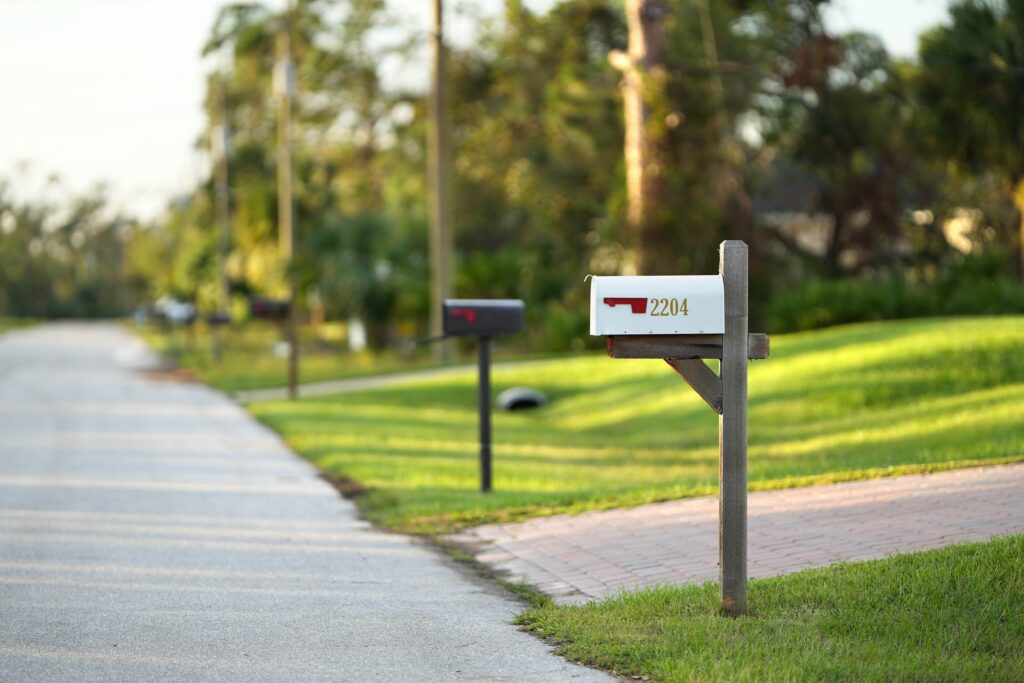
Our client faced the situation that stops most neighborhood dog attack claims before they start. The person responsible was not a corporation. He was someone she would keep seeing at the mailbox.
Two facts usually resolve that hesitation. The first is that the claim is paid by an insurance policy the owner already bought for exactly this. The second is that medical bills from an infection-driven treatment course do not go away because the injured person decided to be gracious about it. Somebody absorbs that cost. The question is only who.
The practical risk in these cases is different from the emotional one. Accounts drift. An owner who said “she has never done that before” in the first week remembers the incident differently by month four, and the neighbors who watched that dog for years get less certain about what they saw and when.
How Do You Prove the Owner Should Have Known?
Georgia requires proof that the owner knew the dog was dangerous, or that a leash ordinance was violated, which the statute allows to substitute for that knowledge. Most residential-street cases are built on one or both.
The loose dog question comes first. Nearly every city and county in metro Atlanta requires dogs off the owner’s property to be restrained, and an attack on a public street rather than inside a fenced yard puts the case squarely inside that framework. Our Georgia dog bite claims guide walks through how that mechanic works across jurisdictions.
The knowledge question is built from history. Georgia’s Supreme Court has made clear that no prior bite is required, only an earlier incident that would cause a reasonable person to anticipate this kind of attack. In residential cases that history is almost always sitting with the neighbors: the dog that lunged at a jogger, the one that got out twice last spring, the one people crossed the street to avoid.
None of that is in a file anywhere. It exists in the memory of people who live nearby, and it is the reason a canvass in the first weeks matters more in dog cases than in almost any other kind of injury claim.
How Does a Settlement Exceed the Policy Limits?
By creating exposure the carrier is unwilling to take to a jury, or by finding coverage beyond the primary policy. In Georgia, both routes come up in serious dog attack cases.
Several mechanisms can put a recovery above a primary homeowners limit:
Additional coverage layers. An umbrella policy sitting above the homeowners policy is common and is not always volunteered. Identifying every applicable policy is early work, not late work.
Other responsible parties. A landlord who knew about a dangerous dog, a property manager, a second owner in the household, or a business connected to the animal can each bring separate coverage.
Excess exposure. When a claim is clearly worth more than the available limits and the liability is strong, a carrier that refuses a reasonable within-limits demand takes on risk of its own under Georgia law. That dynamic changes how these negotiations run.
Personal contribution. In some cases the individual responsible participates in the resolution above the policy.
What every one of those paths has in common is that they require the damages to be documented well enough that the number is not arguable. A carrier does not move past its limits on a claim that looks like a stitches-and-antibiotics file. It moves when the medical record, the scarring evidence, and the liability proof line up and leave very little room.
What Would Have Made This Case Weaker?
Four things, and every one of them is decided in the first month.
No report. Without an animal control record, the identity of the dog, the date, and the owner’s response all become contested later.
Delayed treatment. A gap between the attack and the first medical visit hands a carrier the argument that the infection came from something else, or that the injured person made it worse by waiting.
No photographs. Wounds heal. A scar photographed at six weeks is not the evidence a scar photographed on day one is, and no medical record substitutes for the image.
An early settlement. This case was worth what it was worth because the claim was valued after the treatment course finished. Settling at the point where the wound looked like it was closing would have produced a fraction of it, with no way to reopen when the infection set in.
That last one deserves emphasis. Carriers contact dog attack victims fast, and the offer arrives while the file still looks small. The offer is not dishonest. It is simply priced on what is known at week two, which in infection cases is almost never what ends up being true.
What Does This Case Say About Dog Attacks on Residential Streets?

That the ordinary ones are not ordinary. A neighborhood dog, an owner with no history of trouble, and a walk on a street the victim had taken for years produced a permanent injury and a seven-hundred-thousand-dollar claim.
The firm handles this work across Georgia, from Atlanta through Gwinnett County, and the same pattern repeats. The attacks that turn out to be serious rarely announce themselves as serious on day one. They announce themselves in week three, at a follow-up appointment, when a doctor says a word nobody expected to hear.
Related work from this firm covers dog bite injuries, knockdown and non-bite injuries where a dog causes harm without breaking skin, and premises liability claims where a property owner rather than a dog owner is responsible.
Does a Result Like This Predict What My Case Is Worth?
No, and any firm suggesting otherwise is doing something it should not. Every dog attack case is decided on its own facts: the injury, the permanence, the strength of the liability proof, the available coverage, and the venue.
Past results do not predict or promise the outcome of any other matter. What a case like this can tell you is what questions to ask about your own, and which of them need answering in the first weeks rather than the last.
If Your Wound Is Not Healing the Way You Were Told It Would
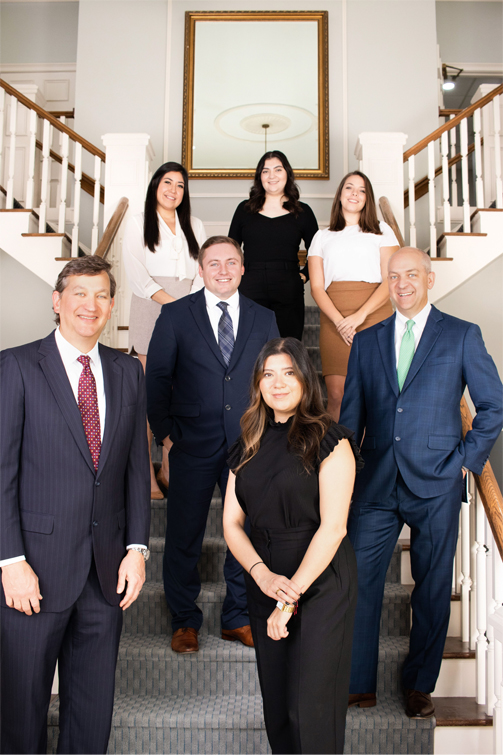
Zagoria Firm Attorneys
That is usually the moment people call us, and it is not too late. It is often exactly the right time, because it is the point where the real scope of the injury starts to become visible and before an early offer has been signed.
Our role is to pull the animal control record, find the neighbors who know the dog, identify every policy that might respond, and hold the claim open until the medical picture is actually complete.
The case review is free, there is no fee unless we recover, and someone answers the phone at any hour.
Call (404) 653-0023 or request a Free Case Review.
Every case is decided on its own facts. Past results do not predict or promise the outcome of any other matter. Client details have been omitted to protect privacy.
